
When You’re Really Poor
When you grow up poor—truly poor—everything in your world seems just out of reach. For me, as a boy in a small coal camp, life meant making do, inventing fun with whatever scraps we could find. Each Saturday, my brother and I would walk the streets of Grundy, Virginia, gazing longingly into shop windows, knowing deep down most of what we saw would remain wishes. Even the Ben Franklin Five & Ten Cent store felt like another universe.
Christmas didn’t mean heaps of presents; it meant a new set of clothes and maybe a single toy, if we were lucky. Day-to-day, if my clothes changed, it was because my mother, who ran our church’s donated clothing store, brought home something someone had given away. We didn’t mind. Getting first pick felt like a rare privilege for a family who had so little.
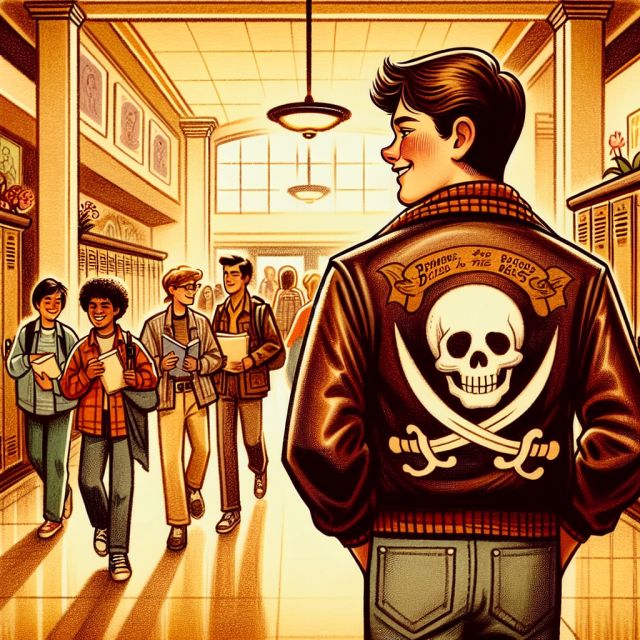
When Mom handed me a brown leather jacket with a skull and crossbones—found among the donations—I suddenly felt like the luckiest ninth grader alive. For the first time, I felt “cool,” a feeling I’d chased for years. It didn’t win me any girlfriends, but the pride was mine to hold.
That year, my world grew a little bit bigger when I got a Saturday job in Royal City, making fifty cents an hour. At the end of the day, my five dollars felt like a fortune. I always gave three to my mother—who so often went without—and kept the rest, grateful simply to contribute.
Money rarely flowed through our hands. My father’s work as a coal boss brought in about $600 each month, but we seldom saw it. Yet what we lacked in wealth, we overflowed with in family and community. My grandparents, aunts, uncles—they were always there, quietly supplying love, food, and comfort. I didn’t realize it then, but our family’s fierce loyalty was my shield against the desperation poverty can bring to a child’s heart.
I’d like to believe that those of us raised in want, found ways to grow up proud and determined. Many of us did, forging success from struggle. Not everyone escaped the burdens though—sometimes the weight of poverty proved too much, driving some to seek simple escapes that offered little hope.
Now, looking back, I see clearly that poverty shaped me as much as any other force in my life. It taught me resilience and gratitude. It taught me the priceless value of a good mother, and the safety net woven by family and friends. These lessons are the soul of who I am. Whenever I return to my hometown, I see the faces and hear the language that remind me of where I came from, and I smile, grateful for what those lean years gave me. Poverty tried to take so much, but in the end, it left me with treasures that money can’t touch — endurance, dignity, and a lifetime of love.